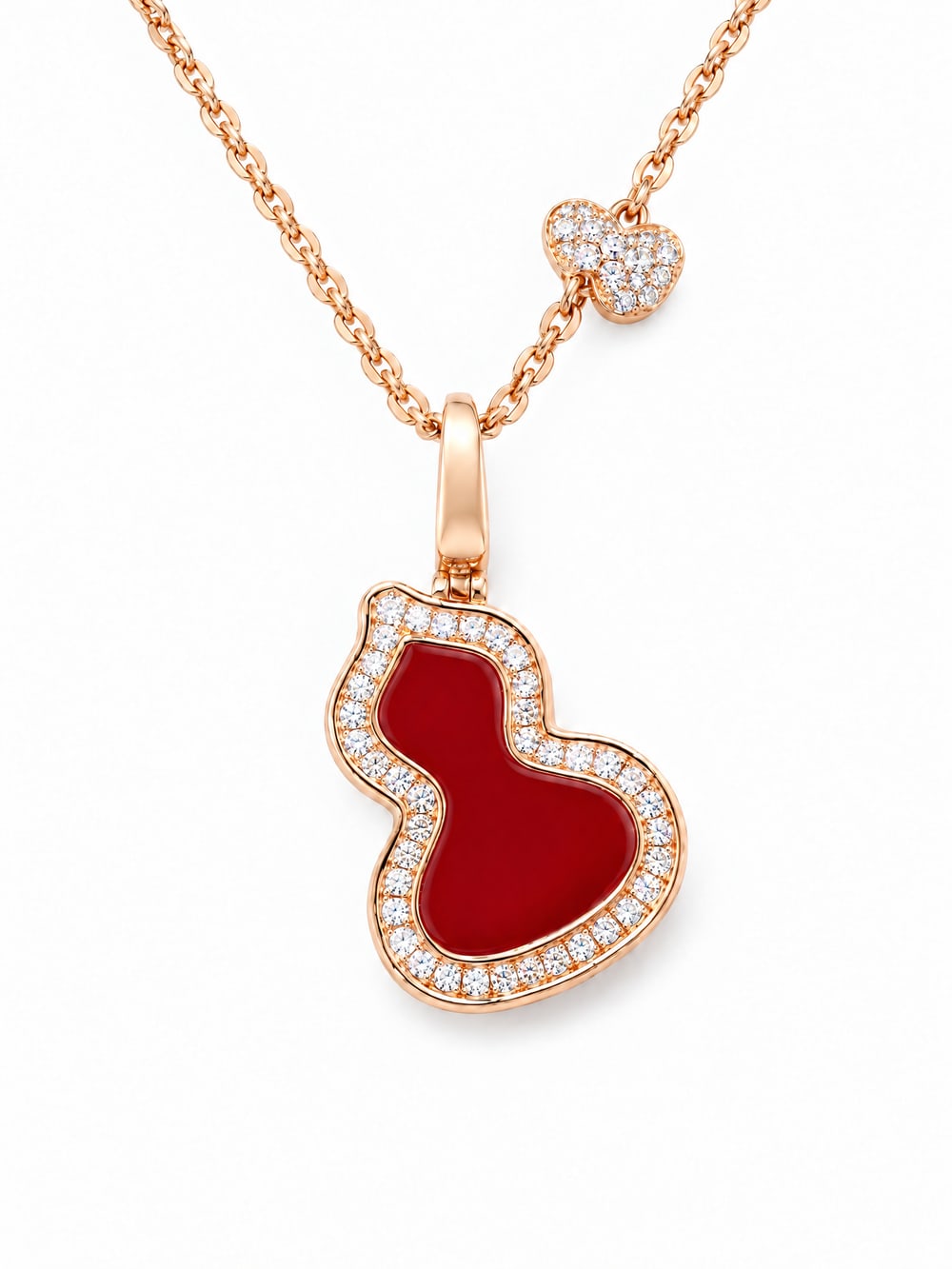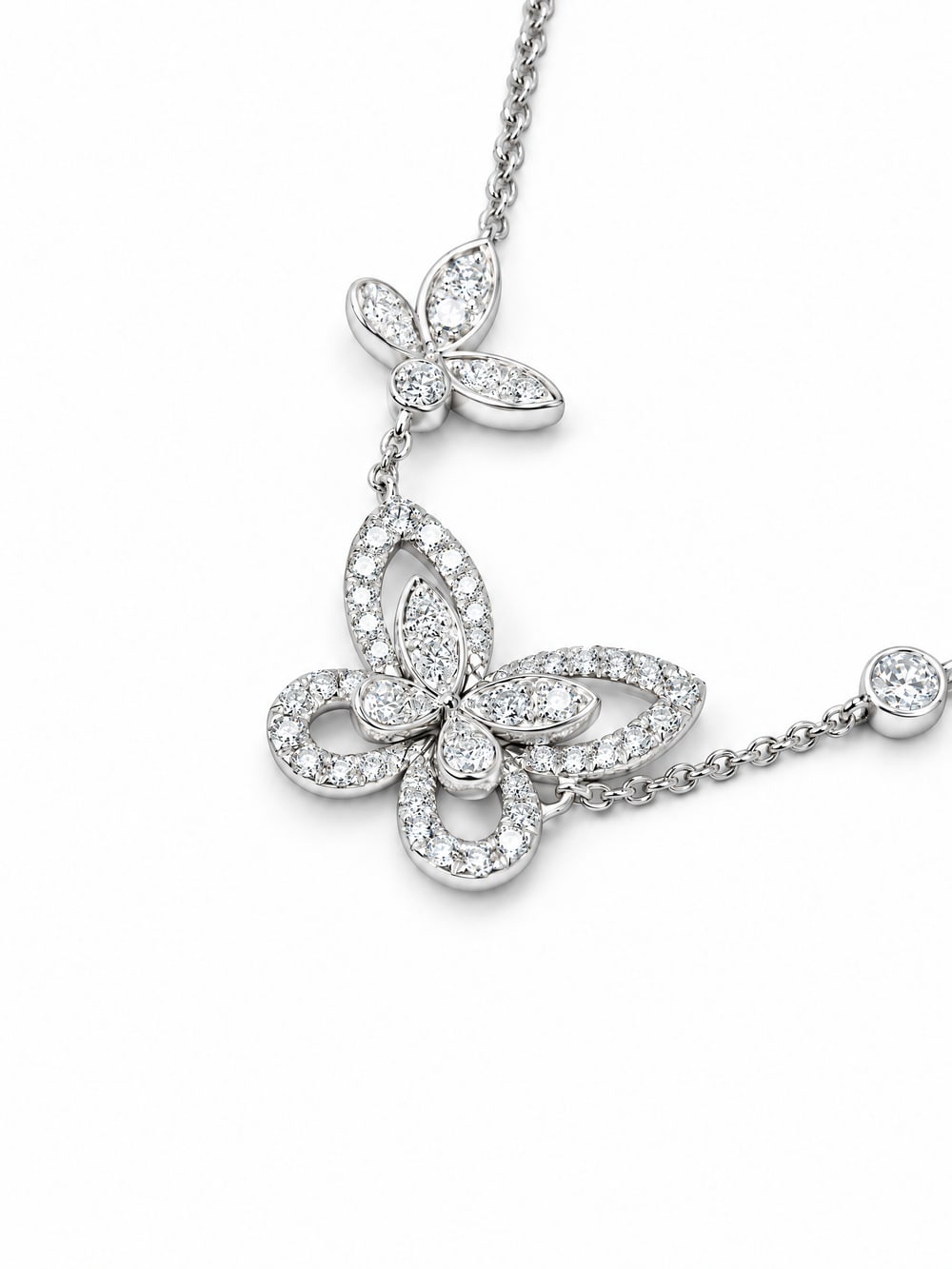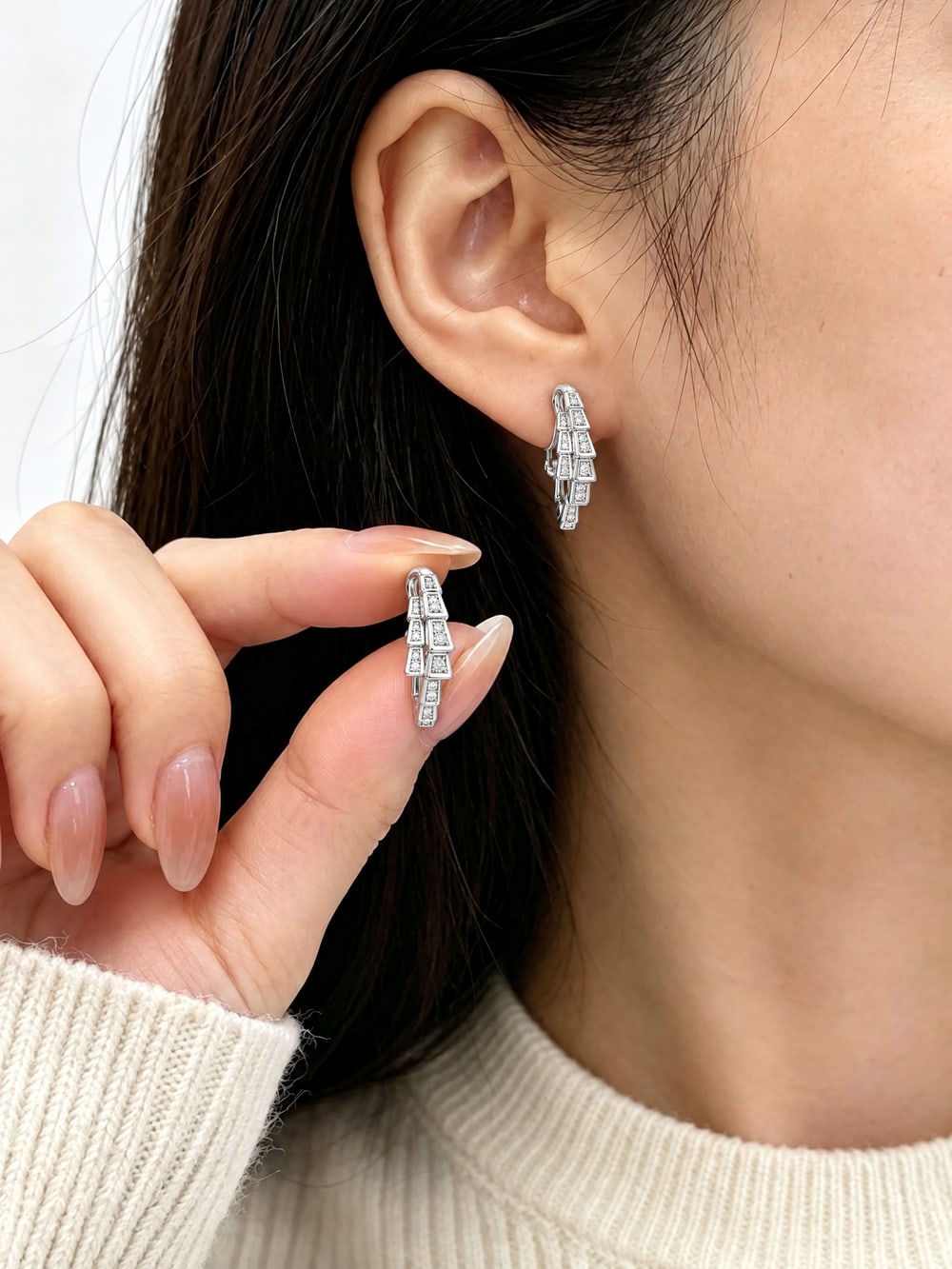
A gold finish is a few microns of metal doing a lot of work. It does not fail suddenly; it thins, first at the edges, then at the high points, until one day the silver shows through as a faint white line. Almost all of that wear is avoidable, and none of it requires special equipment.
The order you get dressed in
Perfume, sunscreen, moisturiser and hairspray are the four most common causes of dulled gold finish, and they all share one property: they are solvent-based and they go on before jewelry. The fix costs nothing — apply them first, wait two minutes, then put the jewelry on. Do the reverse at night: jewelry off before you wash your face.
What to keep it away from
- Chlorinated pools and hot tubs: chlorine attacks both the gold layer and the silver beneath it.
- Salt water and sand: abrasive and corrosive at the same time.
- Gym equipment and watch cases: metal-on-metal friction is the fastest way to thin a shank.
- Household cleaners, bleach and ammonia: strip the layer in minutes, not months.
- Cosmetics with alcohol or acids, including some hand sanitisers.
Cleaning, without stripping the layer
Warm water, a drop of mild pH-neutral soap, and a soft toothbrush used gently at the setting — that is the whole routine. Rinse in clean water, pat dry with a lint-free cloth, and leave the piece out for an hour before storing it. Water trapped behind a setting is how you get a cloudy stone.
What not to do: toothpaste and baking soda are mild abrasives and will remove gold; silver dip is formulated for tarnish on bare silver and will attack a gold layer; ultrasonic and steam cleaners are excellent for unplated metal and fine for diamond, but they lift thin plating at the edges. Polishing cloths impregnated with rouge should be used on solid gold, not on a finish.
Storage is half the job
Air is the enemy. Silver tarnishes in humid air, and a gold layer over tarnished silver looks dull from underneath. Keep each piece in its own soft pouch — the one the piece arrives in is fine — and keep the pouches in a closed box, away from a bathroom. A silica packet in the box costs nothing and does more than any cloth.
Do not hang chains from a hook for months: the weight pulls the links open at the clasp. Lay them flat, clasp closed, or hang them with the pendant resting on a shelf rather than suspended.
When the finish does wear
Eventually, at the highest friction points, it will. That is not a defect, it is the physics of a thin layer. A jeweller can re-plate a piece — usually a same-week service — and the result is close to new. Before that, a soft cloth and warm water will bring back most of the shine; if the piece has gone patchy white at the edges, re-plating is the only real fix.
Written by the Selena Fine Jewelry atelier · published 24 October 2026 · questions? Write to us.