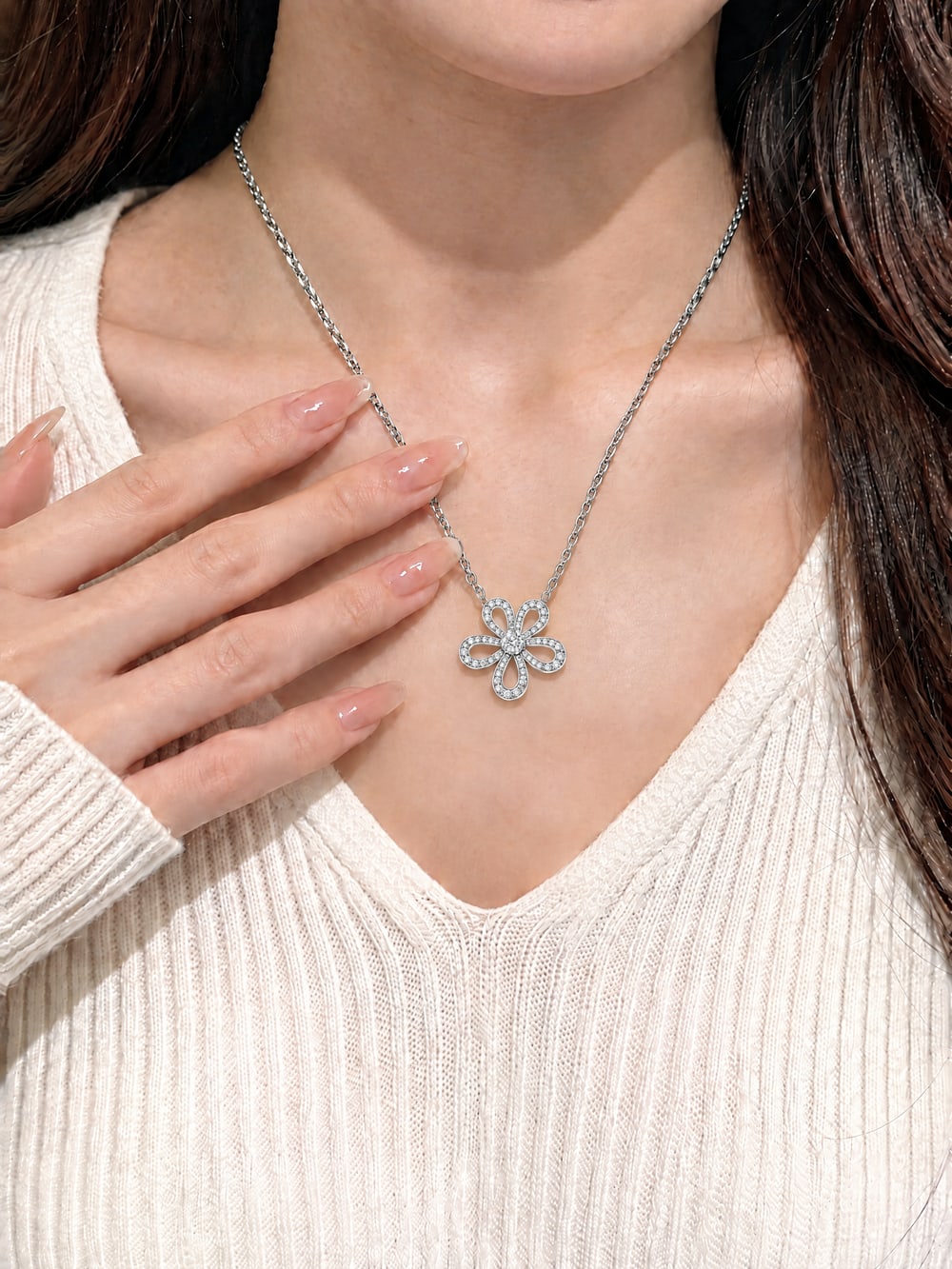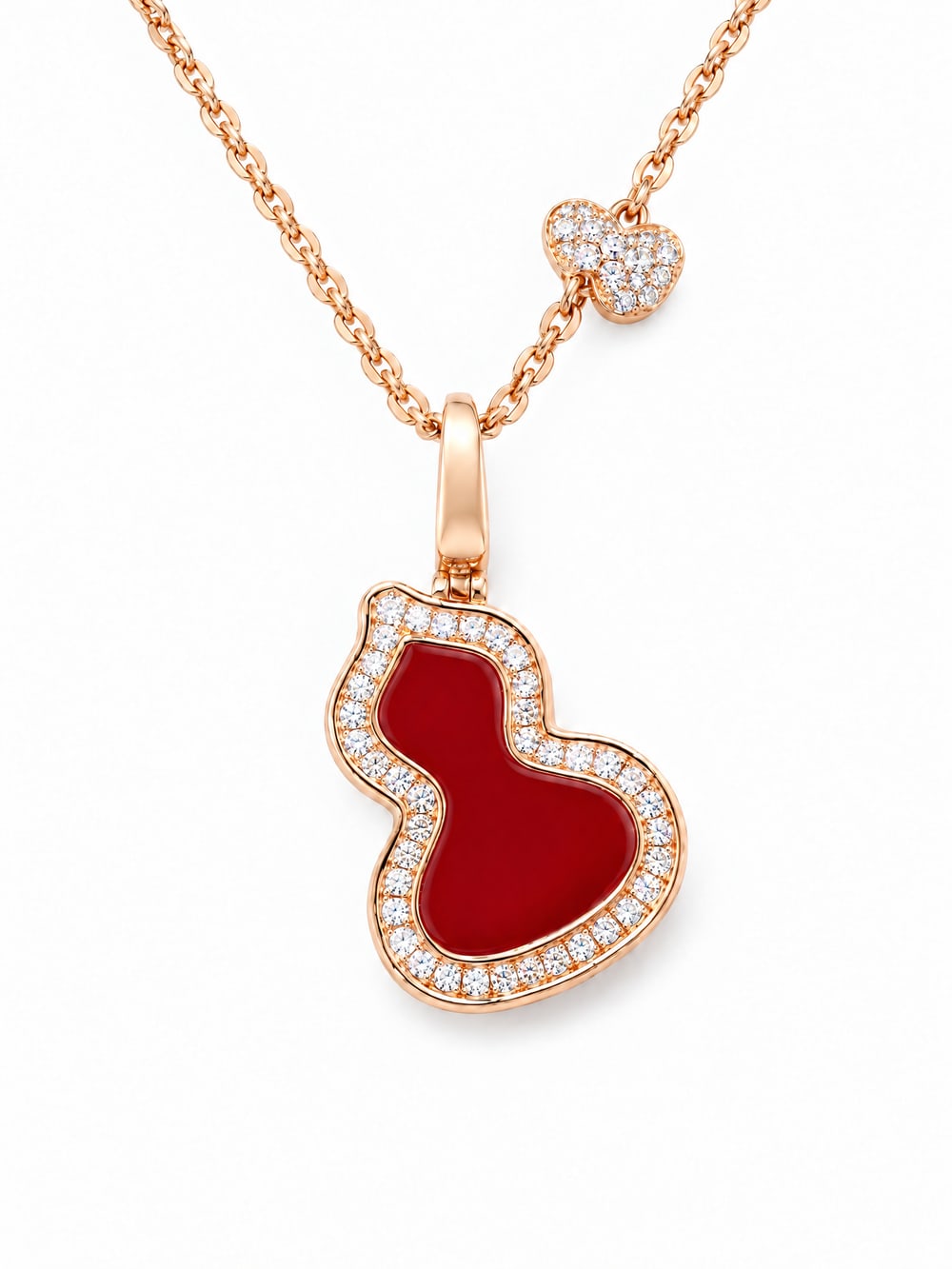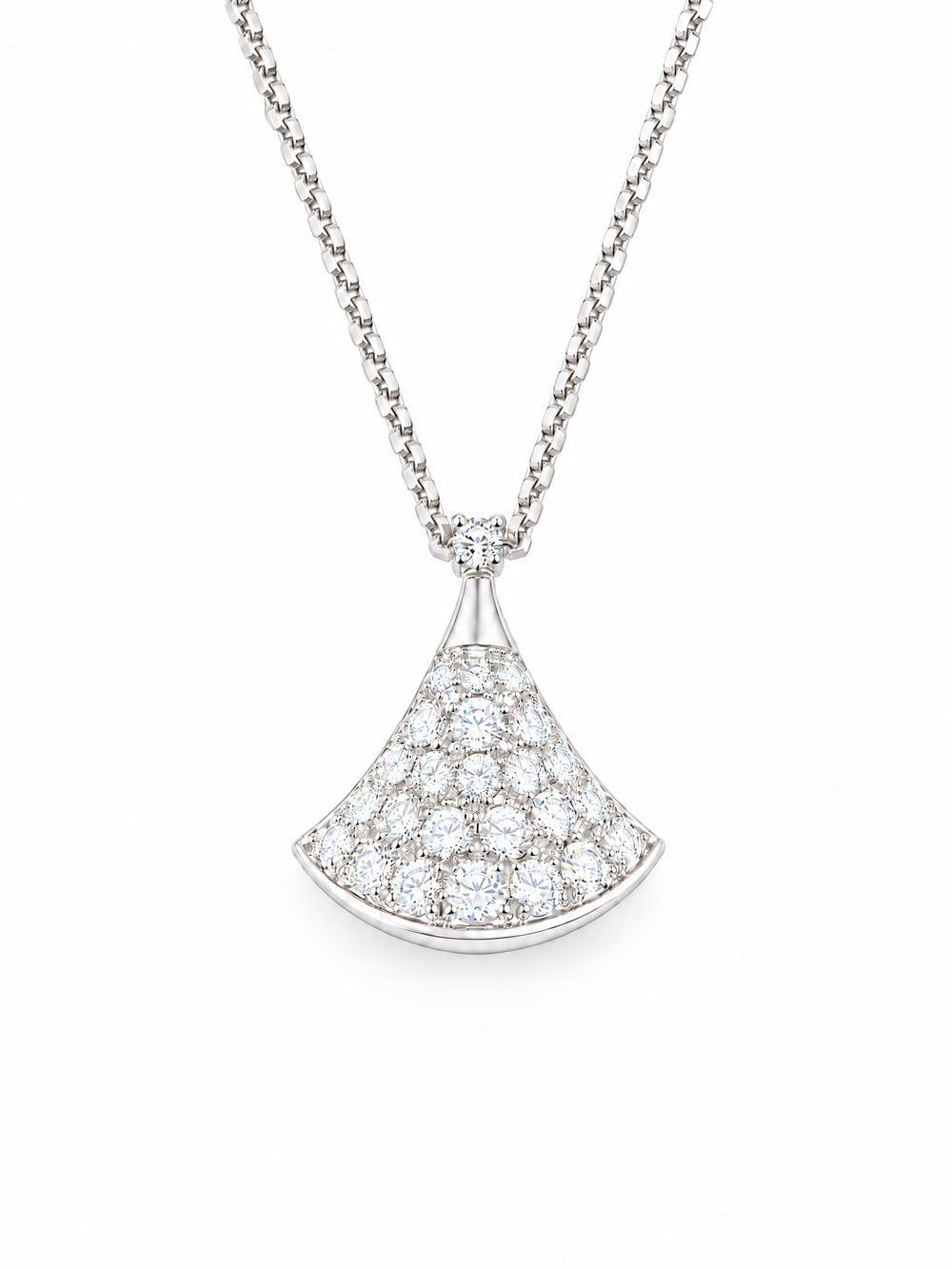
Every piece we ship includes a GRC grading report. Buyers outside the trade often read the first line, see the word "diamond", and stop. There is more in the document worth checking, and a few things it deliberately leaves out.
What is on the page
- Identity: report number, the stone's measurements in millimetres, and its carat weight.
- The 4Cs: carat, colour (a letter grade), clarity (a grade from FL to I), and cut where the stone is round brilliant.
- Finish grades: polish and symmetry, each graded separately from cut.
- Fluorescence: whether the stone reacts to UV, and how strongly. Faint is normal; strong can make a stone look milky in daylight.
- A plot: a diagram of internal characteristics — feathers, pinpoints, clouds — with their positions marked.
- Comments: growth method for a lab-grown stone, and any treatment applied.
For a lab-grown stone, the origin line is the one to read first. A report that does not state origin on its face is not a laboratory-grown report, whatever the seller says. Reputable labs use the term explicitly, and many print it in the header rather than buried in the comments.
How to verify it
Every grading lab keeps a lookup on its own site. Enter the report number and the carat weight — both must match, which is why a report number alone is not proof. If the number resolves to a different weight, the report belongs to a different stone. Do this before you pay, not after; it takes a minute and it is the single most useful check available to a retail buyer.
Why small stones are rarely certified individually
A full grading report costs a fixed amount per stone. On a piece set with fifty-seven diamonds of three to four points each, certifying every stone individually would cost more than the stones. That is why pavé and halo pieces are usually certified as a lot — or, more honestly, described by their aggregate specification: total carat weight, colour range and clarity range — with one report covering the parcel.
This is not a loophole; it is how the trade works. What matters is that the seller states which kind of certification you are getting. "Certificate included" means nothing if you cannot tell whether it covers one centre stone or a parcel.
Three things it never tells you
First, the metal: a report describes a stone, and says nothing about whether the ring is 18K gold, silver, or brass. Second, the setting: symmetry grades describe the stone's cut, not whether the prongs are even. Third, value: a grade is not a price, and two stones with identical grades can be worth different amounts depending on the market that day.
Which is why the specification table on a product page matters as much as the certificate. Read both. If a seller publishes stone grades but not metal weight, or a certificate number but not its issuing lab, ask — those are the two questions that separate a specification from a sales line.
Written by the Selena Fine Jewelry atelier · published 19 October 2026 · questions? Write to us.