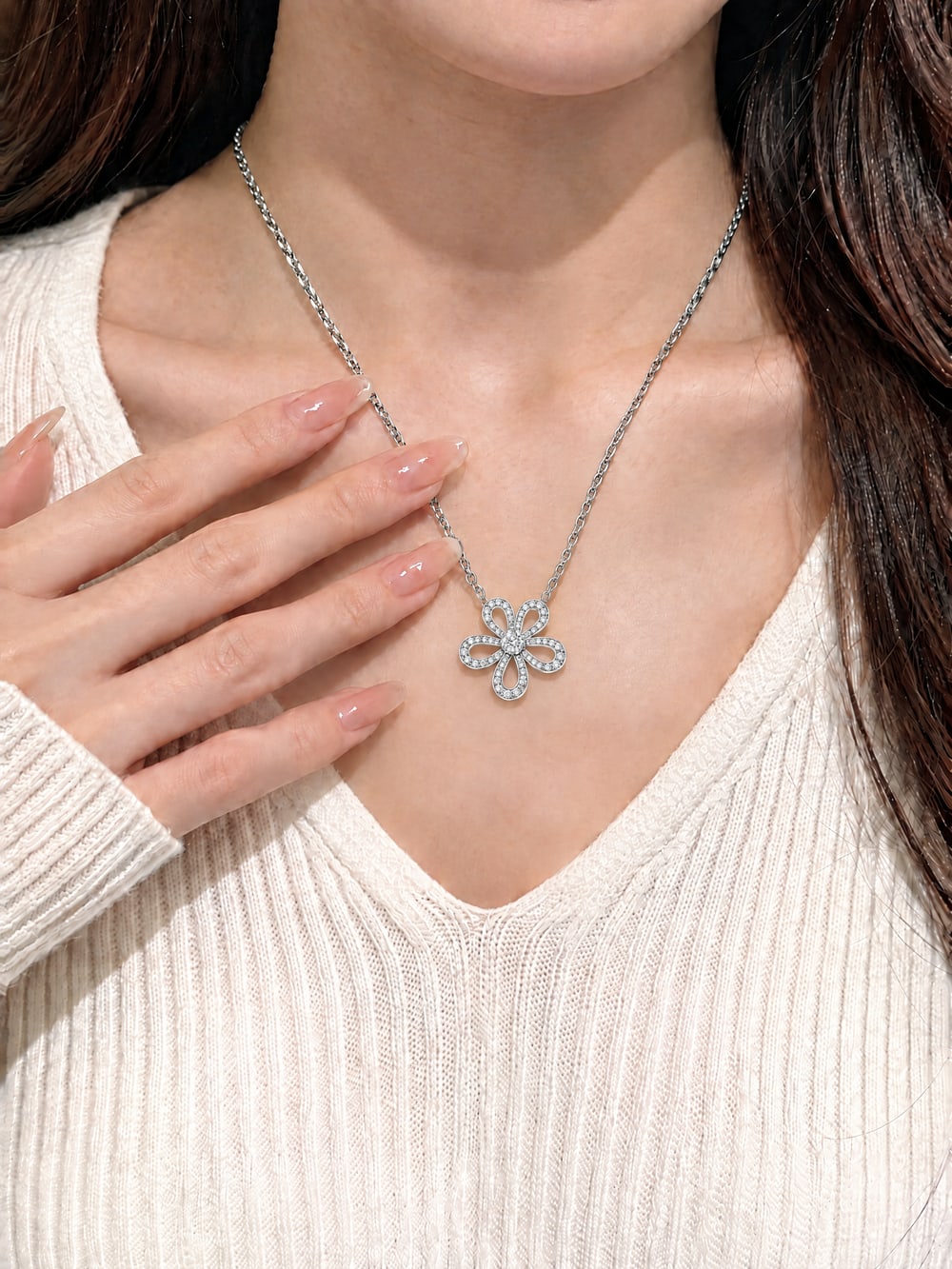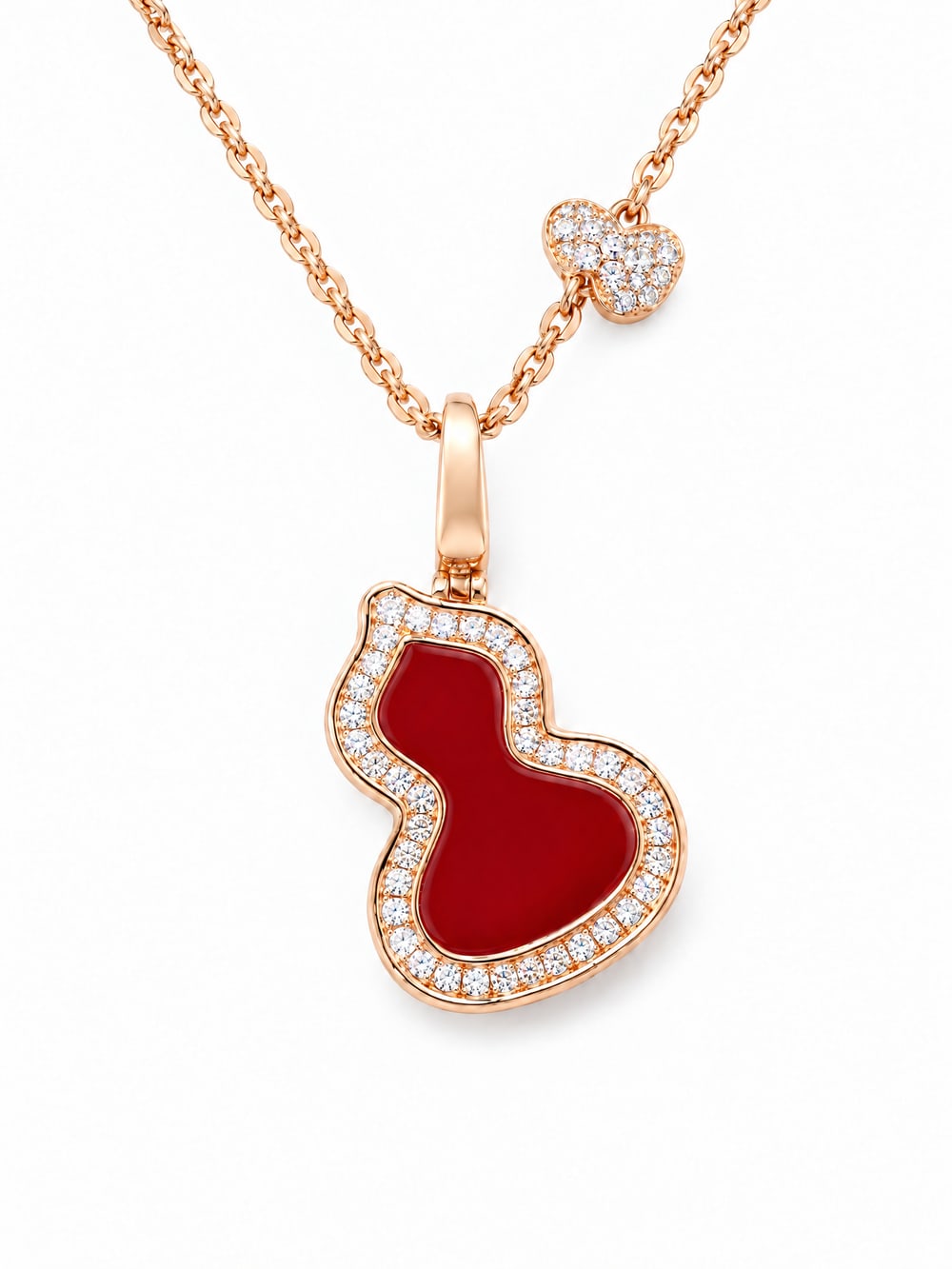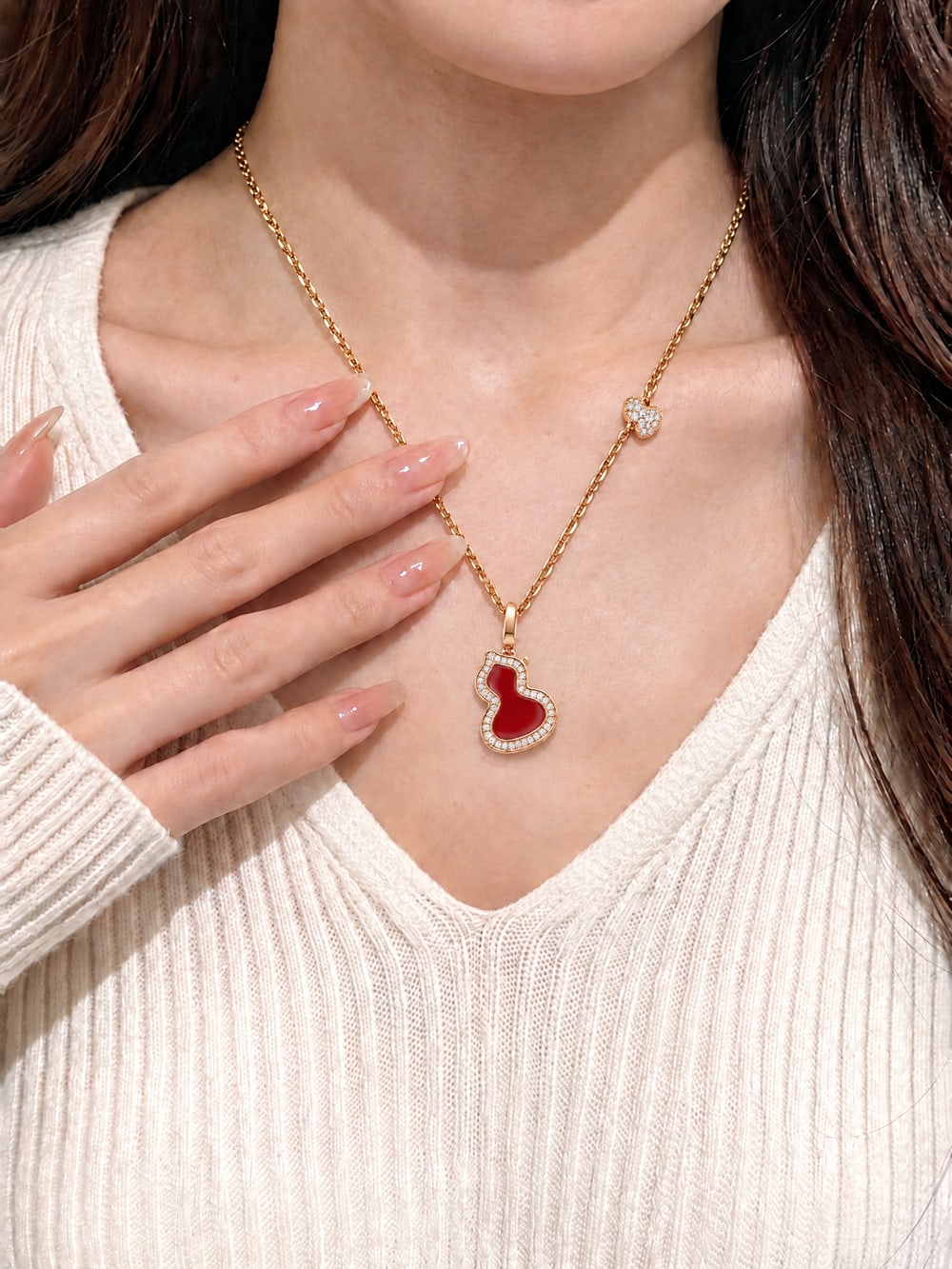
We make jewelry for other people's labels as well as our own, and the pattern is consistent: orders that fail, fail early. Not because the bench cannot execute, but because the brief left a decision open and someone on the factory floor made it instead. This is the sequence we run, and the places where a buyer's input changes the outcome.
1. The brief
Five things, in writing. A reference image (yours or a competitor's, annotated — "this silhouette, this stone size, not this price"). Dimensions in millimetres, not adjectives: pendant height, chain length, hoop diameter, band width and thickness. Stone specification: lab-grown or natural, shape, total carat, colour and clarity range, and whether a certificate is required. Metal and finish: 925 sterling silver, 18K or 14K finish, rhodium, yellow, rose. And a target landed cost — not because we will hit it, but because it decides how the piece is built.
The single most common omission is weight. A pendant that is 2 mm thick looks identical to one that is 1.2 mm in a render, and one feels like jewelry while the other feels like a token. State a target gram weight, or ask us for one at quoting.
2. CAD and the render
The brief becomes a 3D model. You get a render from three angles, plus a stated metal weight and stone count. This is the cheapest stage and the one worth being pedantic about: moving a prong in CAD costs nothing, moving it after tooling costs a week. Check the proportions against your reference, check the stone size against the setting, and check that the chain gauge can carry the pendant.
3. Sampling
A physical sample is printed, cast, set and finished, then photographed and shipped. This is where the schedule actually lives — most of the elapsed time in a first order is here, not in production. Approve the sample in your hand. Weight, setting height, how the clasp closes, whether the pendant tips forward: none of that is visible in a render, and all of it decides whether the piece sells.
Expect to make one round of corrections. Buyers who budget for two rounds and plan one are the ones who ship on time.
4. Production and quality control
- Stones are sorted and matched before setting, not after.
- Casting, setting, polishing, plating — plating goes last, after stones are set.
- QC checks: stone count and security, plating coverage at the edges, clasp function, weight against the approved sample.
- Ask for photographs of the first units off the line, and of the last, before cartoning.
5. What to negotiate at the start
Settle four things before the first sample is cut: who owns the CAD file, what the reorder lead time is, how defects are handled (repair, replace or credit), and what packaging ships with the piece. Those four answers predict the second order far better than the price does.
If you are weighing up a first production run, send the brief and a reference image to us — we will come back with a quotation, a metal weight and a realistic sampling schedule rather than an optimistic one.
Written by the Selena Fine Jewelry atelier · published 14 October 2026 · questions? Write to us.